
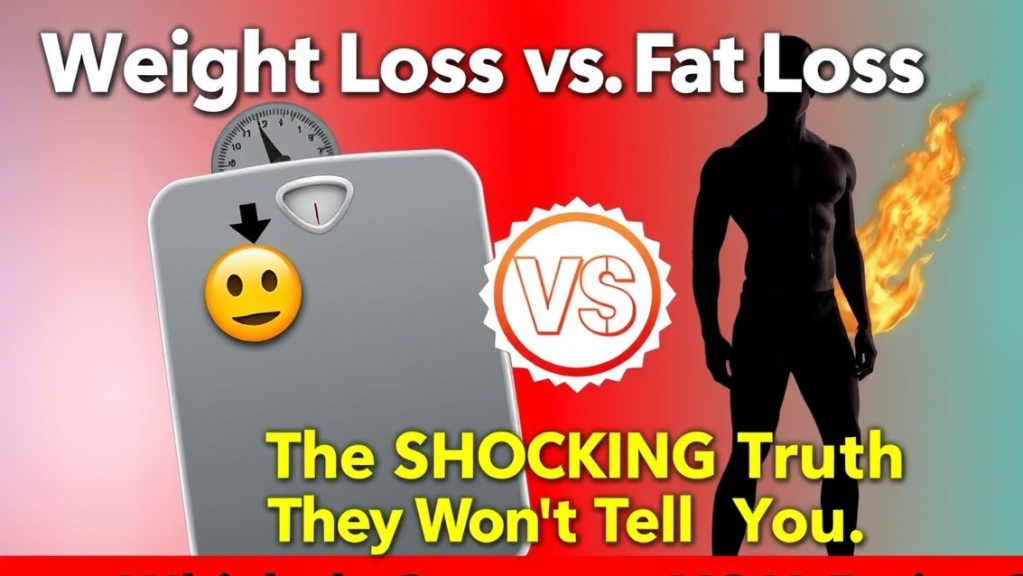
What if everything you thought you knew about shrinking your body was… wrong?
You’ve sweated through workouts, swapped pizza for salads, and celebrated every pound lost. But here’s the gut punch: weight loss isn’t the victory you think it is. In fact, obsessing over the number on the scale could be sabotaging the body you actually want a stronger, leaner, healthier version of yourself.
Because here’s the secret no one tells you: weight loss and fat loss are NOT the same thing. You could be shedding pounds but losing muscle, water, or even bone density, leaving you weaker, hungrier, and stuck in a cycle of yo-yo diets. Meanwhile, your stubborn belly fat? It’s throwing a party, untouched.
In this, we’re ripping open the myths, breaking down the science (no lab coat required), and sharing real stories of people who traded frustration for transformation. What you’ll learn might just change how you see your body and your goals forever.
Ready to stop chasing a number and start building a body that works? Let’s Start!!
Let’s Understanding the Basics of Weight Loss vs. Fat Loss
What Is Weight Loss?
Weight loss refers to a reduction in your overall body mass. This number on the scale is a composite of various factors, including fat, muscle, water, and even the contents of your digestive system. While many diets promise rapid weight loss, it’s important to realize that not all weight lost is beneficial especially if you’re losing muscle mass along with fat.
What Is Fat Loss?
Fat loss, on the other hand, specifically targets the reduction of adipose tissue (body fat). Unlike weight loss, fat loss aims to preserve lean muscle mass, which is vital for a healthy metabolism and overall strength. The focus on fat loss rather than just weight loss helps ensure that the changes you see in the mirror are sustainable and conducive to long-term health.
The Science Behind the Numbers
Energy Balance and Metabolic Efficiency
At the heart of both weight loss and fat loss is the concept of energy balance: the calories you consume versus the calories you expend. However, where the energy comes from matters significantly:
- Weight Loss: When you create a calorie deficit, your body sheds weight. This loss may come from fat, but it can also include water loss and muscle catabolism.
- Fat Loss: Achieving fat loss involves a careful balance. By maintaining a moderate calorie deficit, emphasizing high-protein nutrition, and incorporating strength training, your body is encouraged to burn fat while preserving muscle mass. Scientific studies have consistently shown that resistance training and sufficient protein intake are key to maintaining muscle during a calorie deficit.
Muscle Preservation and Metabolic Rate
Maintaining muscle mass is crucial for a higher metabolic rate. Muscle tissue burns more calories at rest than fat tissue does. By focusing on fat loss, you not only improve your physique but also bolster your metabolism. This means that over time, your body becomes more efficient at burning calories, which can help prevent the common rebound effect of rapid weight loss followed by weight gain.
How to Achieve Fat Loss (Not Just Weight Loss)
Nutrition: The Foundation of Fat Loss
- Prioritize Protein: Protein is the building block of muscle. Ensuring that you get enough protein not only supports muscle repair and growth but also enhances satiety, helping to control overall calorie intake.
- Smart Calorie Deficit: Rather than drastically cutting calories, a moderate deficit encourages gradual fat loss while safeguarding muscle mass.
- Balanced Diet: Incorporate a mix of whole foods, healthy fats, and complex carbohydrates. Each nutrient plays a role in your energy levels, recovery, and overall health.
Exercise: Building Strength and Burning Fat
- Strength Training: Lifting weights or engaging in resistance training is essential for preserving muscle mass. It also helps sculpt your body as you lose fat.
- Cardiovascular Exercise: While cardio burns calories, combining it with strength training maximizes fat loss. High-intensity interval training (HIIT) has been shown to be particularly effective.
- Flexibility and Recovery: Don’t overlook stretching, mobility work, and proper rest. Recovery is just as important as the workouts themselves in the journey toward fat loss.
Tracking Progress: Beyond the Scale
Instead of solely relying on the scale, consider tracking:
- Body Measurements: Circumference measurements of your waist, hips, and other areas.
- Body Fat Percentage: Tools like skinfold calipers or more advanced body composition scans can provide a clearer picture of your progress.
- Strength Gains: Increased performance in your workouts is a positive indicator of muscle preservation and overall fitness improvement.
My Journey: From Weight Loss to Fat Loss
I vividly remember the early days of my fitness journey when I was solely focused on the numbers on the scale. Despite losing weight, I wasn’t seeing the muscle tone or strength improvements I hoped for. It wasn’t until I shifted my focus from simply losing weight to strategically targeting fat loss that everything changed.
I embraced a balanced approach combining nutrient-dense eating, tailored strength training, and HIIT cardio. The results were transformative: not only did I lose stubborn fat, but I also gained the lean muscle that fuels my metabolism and confidence. This shift allowed me to train top celebrities and share the strategies that truly work for a sustainable, healthy lifestyle.
In Conclusion
Understanding the difference between weight loss and fat loss is more than just a semantic debate it’s the cornerstone of a successful and healthy transformation. By focusing on fat loss, you ensure that your body is changing in a way that boosts metabolism, preserves muscle, and leads to a more toned and resilient physique.
If you’re ready to embark on a journey that values long-term health over short-term numbers, this approach might just be the key. Join me as we explore more tips, debunk myths, and celebrate the science of sustainable transformation.
Remember, every step you take is progress. Your journey to a healthier, stronger you starts with understanding your body and making informed, science-backed choices. Happy transforming!
Feel free to share your thoughts or ask questions in the comments below. Let’s spark a conversation that inspires everyone to pursue health and happiness through informed choices.















 beautyfitinsights.com
Leave a comment