
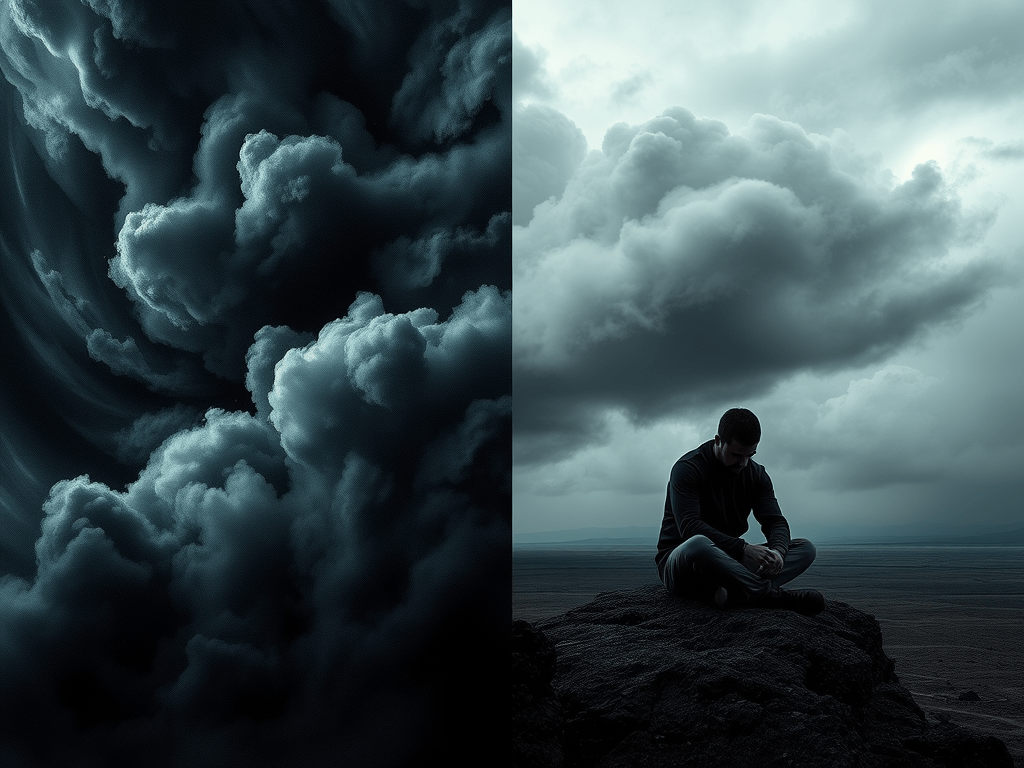
Have you ever felt like a never-ending storm is brewing inside you, but you can’t quite put your finger on why? The world of mental health is often shrouded in mystery, but two of the most common conditions anxiety and depression can leave anyone feeling lost and confused. While they both fall under the umbrella of mental health disorders, they are distinct in their symptoms, causes, and treatments. Let’s dive into the differences and explore how to navigate these challenging conditions.
Anxiety is characterized by excessive worry, fear, or apprehension about future events. It’s like having an overactive alarm system in your brain that goes off even when there’s no real danger. Common symptoms include:
- Restlessness or feeling on edge
- Rapid heartbeat
- Sweating
- Difficulty concentrating
- Irritability
- Sleep disturbances
Anxiety can manifest in various forms, such as Generalized Anxiety Disorder (GAD), Panic Disorder, Social Anxiety Disorder, and specific phobias. The key feature is the persistent and excessive worry that interferes with daily life.
On the other hand, depression is more like a heavy cloud that drapes over your life, making everything feel bleak and hopeless. Symptoms of depression can include:
- Persistent feelings of sadness or emptiness
- Loss of interest or pleasure in activities once enjoyed
- Changes in appetite and weight
- Difficulty sleeping or oversleeping
- Fatigue or loss of energy
- Feelings of worthlessness or guilt
- Difficulty concentrating or making decisions
- Thoughts of death or suicide
The Science of Depression:
According to the World Health Organization (WHO), over 280 million people worldwide suffer from depression. Research shows it is often linked to a chemical imbalance in the brain, particularly involving neurotransmitters like serotonin and dopamine.
Understanding the Differences
While both anxiety and depression can affect your daily life, the key differences lie in the nature of the feelings and behaviors they elicit. Anxiety is often about fear and the anticipation of future threats, while depression is more about hopelessness and a sense of loss in the present.
Focus of Concern: Anxiety is future-oriented, focusing on potential threats or negative outcomes. Depression is present-oriented, focusing on feelings of sadness, hopelessness, and worthlessness.
Physical Symptoms: Anxiety often involves physical symptoms like rapid heartbeat, sweating, and muscle tension. Depression is more associated with low energy, fatigue, and changes in appetite or sleep.
Emotional State: Anxiety is characterized by fear and worry, while depression is characterized by sadness and a lack of interest in life.
How to Recognize the Difference
Recognizing whether you’re experiencing anxiety, depression, or both is the first step toward getting the right help. Here are some questions to consider:
- Are you constantly worrying about the future, or do you feel a persistent sadness and lack of interest in life?
- Do you experience physical symptoms like a racing heart or sweating, or do you feel fatigued and low on energy?
- Are you able to find moments of joy or relief, or does everything feel bleak and uninteresting?
Answering these questions can help you and your healthcare provider determine the best course of action.
Finding the Path to Healing
Both anxiety and depression are treatable conditions, and there are several approaches to managing and overcoming them:
- Therapy: Cognitive Behavioral Therapy (CBT) is effective for both anxiety and depression. It helps individuals identify and change negative thought patterns and behaviors.
- Medication: Antidepressants and anti-anxiety medications can be prescribed by a healthcare provider to help manage symptoms.
- Lifestyle Changes: Regular exercise, a healthy diet, adequate sleep, and stress management techniques can significantly improve mental health.
- Support Systems: Connecting with friends, family, or support groups can provide emotional support and reduce feelings of isolation.
- Mindfulness and Relaxation: Practices like meditation, yoga, and deep breathing can help manage anxiety and improve overall well-being.
- Regular Exercise: Exercise releases endorphins, which improve mood and reduce stress. Studies show 30 minutes of moderate exercise 3-5 times a week can significantly alleviate symptoms.
Preventing Anxiety and Depression
1. Build Resilience
- Develop problem-solving skills and coping mechanisms.
- Practice self-compassion and focus on progress, not perfection.
2. Maintain a Healthy Routine
- Regular meals, sleep, and exercise create stability and reduce stress.
3. Set Realistic Goals
- Break tasks into manageable steps to avoid feeling overwhelmed.
4. Limit Social Media Use
- Excessive screen time and comparison can exacerbate feelings of inadequacy and anxiety.
Conclusion
Anxiety and depression are challenging conditions, but with the right support and treatment, you can find relief and reclaim your life. Remember, you are not alone, and there is hope. By understanding the differences between these conditions and taking proactive steps, you can break free from the dark clouds and find your way back to the light.
If you or someone you know is struggling, please reach out to a mental health professional today. The journey to recovery starts with a single step, and you deserve a life free from the burdens of anxiety and depression.

















 beautyfitinsights.com
Leave a reply to Beauty Fit Insights Cancel reply