
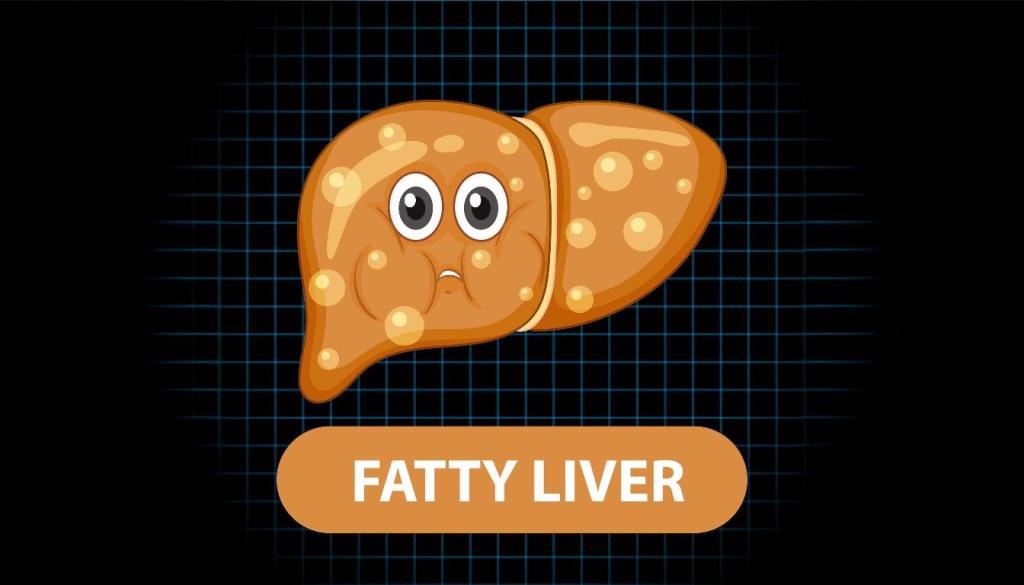
Are You Unknowingly Damaging Your Liver?
Did you know that 1 in 3 adults worldwide may have fatty liver disease and not even know it? Non-Alcoholic Fatty Liver Disease (NAFLD) is a silent condition that can quietly damage your liver and lead to life-threatening complications. If left untreated, it can progress to severe liver damage, liver cancer, and even heart disease. So, why is this happening, and what can you do to protect yourself?
What is Non-Alcoholic Fatty Liver Disease (NAFLD)?
Non-Alcoholic Fatty Liver Disease (NAFLD) is a pathological condition defined by excessive lipid deposition within hepatic cells in individuals with negligible or absent alcohol consumption. Globally recognized as a prevalent hepatic disorder, NAFLD is intrinsically associated with metabolic dysfunctions, notably obesity, type 2 diabetes mellitus, and metabolic syndrome. This disorder manifests along a continuum, extending from benign hepatic steatosis to the more severe non-alcoholic steatohepatitis (NASH), which is characterized by hepatic inflammation and cellular injury. Progressive NASH can culminate in hepatic fibrosis, cirrhosis, and hepatocellular carcinoma, thereby posing significant morbidity and mortality risks.
In simple terms Non-Alcoholic Fatty Liver Disease (NAFLD) is a condition characterized by the accumulation of excess fat in liver cells. It is not caused by alcohol consumption, which differentiates it from alcoholic liver disease. NAFLD can range from simple steatosis (fatty liver) to non-alcoholic steatohepatitis (NASH), which is a more severe form involving inflammation and liver cell damage.
Why Does NAFLD Occur?
NAFLD develops when the body produces too much fat or fails to metabolize fat efficiently, leading to fat buildup in liver cells. Several factors contribute to this imbalance:
1. Obesity and Overweight:
Excessive body fat, particularly around the abdomen, increases the risk of fat deposition in the liver.
2. Insulin Resistance:
Insulin resistance, commonly seen in type 2 diabetes and metabolic syndrome, leads to increased fat storage in the liver.
3. High Cholesterol and Triglycerides:
Elevated blood lipid levels contribute to fat accumulation in the liver.
4. Poor Diet:
Diets high in refined sugars, saturated fats, and processed foods promote liver fat buildup.
5. Genetic Factors:
Certain genetic variations can predispose individuals to NAFLD.
Why is NAFLD Dangerous?
Non-Alcoholic Fatty Liver Disease (NAFLD) is particularly insidious because it often progresses silently, developing over several years without any overt symptoms. This deceptive nature allows the disease to advance unchecked, ultimately leading to severe and potentially life-threatening complications if not properly managed:
1. Progression to NASH:
In its early stages, fat accumulation in liver cells may appear harmless, but over time, this lipid buildup can trigger chronic inflammation and hepatocellular injury. This condition, known as Non-Alcoholic Steatohepatitis (NASH), represents a more severe form of NAFLD and is characterized by inflammation and damage to liver tissue. If NASH develops, it markedly increases the risk of further liver damage and functional decline.
2. Fibrosis and Cirrhosis:
Persistent liver inflammation due to NASH can initiate fibrogenesis, resulting in the formation of scar tissue (fibrosis) within the liver. As fibrosis advances, it disrupts the liver’s architecture and impairs its ability to function properly. Over time, this scarring can escalate to cirrhosis, a severe stage of liver damage marked by widespread scarring, liver shrinkage, and significant loss of hepatic function. Cirrhosis also predisposes individuals to liver failure and increases the risk of life-threatening complications like portal hypertension and internal bleeding.
3. Liver Cancer:
As NAFLD progresses to cirrhosis, the likelihood of developing hepatocellular carcinoma (HCC) a primary form of liver cancer rises significantly. The chronic inflammation and ongoing liver cell damage create a carcinogenic environment that promotes uncontrolled cellular growth. Alarmingly, patients with cirrhosis have a markedly elevated risk of liver cancer even in the absence of other traditional risk factors.
4. Cardiovascular Diseases:
Beyond the liver, NAFLD is intricately linked with systemic metabolic disturbances that increase the risk of cardiovascular diseases. Individuals with NAFLD are more susceptible to developing atherosclerosis, hypertension, and dyslipidemia, which collectively heighten the risk of heart attacks, strokes, and other cardiovascular events. In fact, cardiovascular complications are the leading cause of mortality in patients with NAFLD, surpassing liver-related deaths. This association underscores the systemic impact of NAFLD on overall health and highlights the urgent need for early intervention.
5. Metabolic Syndrome and Type 2 Diabetes:
NAFLD is a central component of metabolic syndrome and is closely associated with insulin resistance, a hallmark of type 2 diabetes mellitus. The interplay between liver fat accumulation and insulin resistance creates a vicious cycle that exacerbates both conditions. As insulin sensitivity deteriorates, glucose regulation becomes impaired, leading to increased fat deposition in the liver and escalating the risk of type 2 diabetes. This bidirectional relationship further complicates the management of NAFLD and amplifies its systemic health risks.
6. Increased Mortality Risk:
Collectively, the progression of NAFLD to more severe liver conditions and its association with cardiovascular diseases and metabolic dysfunctions significantly elevate the overall mortality risk. Studies have shown that individuals with advanced NAFLD face a higher likelihood of premature death from both liver-related and non-liver-related causes. This heightened mortality emphasizes the need for proactive medical intervention and lifestyle modifications to halt disease progression and mitigate associated health risks.
Is NAFLD Curable?
While there is no specific medication approved for the treatment of NAFLD, the condition is largely reversible through lifestyle changes. Here are some strategies that can help manage and potentially cure NAFLD:
- Weight Loss: Losing weight is one of the most effective ways to reduce liver fat. A weight loss of 3-5% can improve liver fat levels, while a loss of 7-10% can reduce inflammation and fibrosis.
- Diet: Adopting a healthy diet rich in fruits, vegetables, whole grains, and lean proteins can help manage NAFLD. Avoiding high-calorie, high-fat, and high-sugar foods is crucial.
- Exercise: Regular physical activity can improve insulin sensitivity, reduce liver fat, and lower the risk of complications. We will explore the role of exercise in more detail in the next section.
- Medications: While there are no FDA-approved medications for NAFLD, some drugs are being studied for their potential benefits. Your healthcare provider may recommend medications to manage associated conditions like diabetes and high cholesterol.
The Role of Exercise in Managing NAFLD
Exercise is a powerful tool in managing and potentially curing NAFLD. Here’s how it helps:
- Improves Insulin Sensitivity: Regular physical activity improves the body’s sensitivity to insulin, which helps reduce blood sugar levels and liver fat accumulation.
- Reduces Inflammation: Exercise has anti-inflammatory effects, which can help reduce liver inflammation and damage.
- Promotes Weight Loss: Physical activity helps burn calories and reduce body fat, which is essential for managing NAFLD.
- Enhances Liver Function: Exercise can improve liver function by increasing blood flow and reducing oxidative stress.
Exercises to Help Cure NAFLD
Physical activity plays a vital role in managing and reversing NAFLD. Here are some scientifically backed exercises that help:
1. Aerobic Exercises:
Examples: Brisk walking, cycling, swimming, jogging
Science Behind It: Aerobic workouts burn visceral fat and improve liver enzyme levels.
2. Resistance Training:
Examples: Weightlifting, resistance bands, bodyweight exercises
Science Behind It: Builds muscle mass, enhancing fat metabolism and insulin sensitivity.
3. High-Intensity Interval Training (HIIT):
Examples: Alternating between short bursts of intense exercise and rest
Science Behind It: HIIT effectively reduces liver fat and improves cardiovascular health.
4. Yoga and Stretching:
Examples: Sun salutations, twists, and core strengthening poses
Science Behind It: Lowers stress hormones (cortisol), indirectly reducing fat accumulation.
Scientific Explanation
Liver fat accumulation in NAFLD results from an imbalance between lipid uptake, synthesis, and oxidation. Excess calories, particularly from refined carbohydrates and saturated fats, promote fat synthesis (lipogenesis) in the liver. Insulin resistance hinders fat breakdown (lipolysis), causing fat to accumulate. Exercise improves mitochondrial function and stimulates lipid oxidation, reducing fat storage. Additionally, physical activity enhances insulin sensitivity, helping the body manage blood glucose and fat more effectively.
Conclusion
Non-Alcoholic Fatty Liver Disease (NAFLD) is a silent yet potentially life-threatening condition that demands immediate attention. However, there is hope extensive research has consistently shown that regular physical exercise can not only halt but also reverse the progression of NAFLD. Engaging in consistent aerobic activities, resistance training, and even mindful practices like yoga can significantly reduce liver fat, improve insulin sensitivity, and restore liver health.
Exercise is not just a preventive measure; it is a powerful therapeutic tool. Studies reveal that losing even 7-10% of body weight through regular physical activity dramatically decreases liver inflammation and fat accumulation. Aerobic exercises burn visceral fat, resistance training builds muscle to boost fat metabolism, and high-intensity interval training (HIIT) accelerates fat loss and improves cardiovascular health. Combined with a nutritious diet and stress management, these exercise routines can effectively combat NAFLD and restore liver function.
Taking proactive steps today by embracing an active lifestyle is the most effective strategy to prevent severe liver complications tomorrow. Start small, stay consistent, and let exercise empower you to reclaim your liver health. Your liver will thank you for every step, stretch, and lift you take!














 beautyfitinsights.com
Leave a comment