

Digestive issues like acidity and gas can be both uncomfortable and disruptive to daily life. While diet and lifestyle changes are often recommended to manage these issues, yoga can be a powerful tool to support digestion and relieve symptoms. In this comprehensive guide, we will explore the best yoga poses to alleviate acidity and gas, providing a step-by-step approach for beginners to advanced practitioners. This blog post is crafted to be SEO-friendly, ensuring it ranks well in search engine results pages.
Table of Contents
- Introduction
- Understanding Acidity and Gas
- What is Acidity?
- What Causes Gas?
- How Yoga Helps with Digestion
- Benefits of Yoga for Digestive Health
- How Yoga Poses Work
- Yoga Poses to Alleviate Acidity and Gas
- Beginner Poses
- Intermediate Poses
- Advanced Poses
- Tips for Practicing Yoga for Digestion
- Conclusion
Introduction
Acidity and gas are common digestive issues that many people experience. They can be caused by a variety of factors including diet, stress, and lifestyle habits. Yoga, with its holistic approach, offers effective solutions for managing these issues. In this blog post, we will delve into yoga poses to alleviate acidity and gas, guiding you from basic poses suitable for beginners to more advanced asanas for those with a bit more experience. Whether you are new to yoga or a seasoned practitioner, you will find valuable insights and practices to enhance your digestive health.
Understanding Acidity and Gas
What is Acidity?
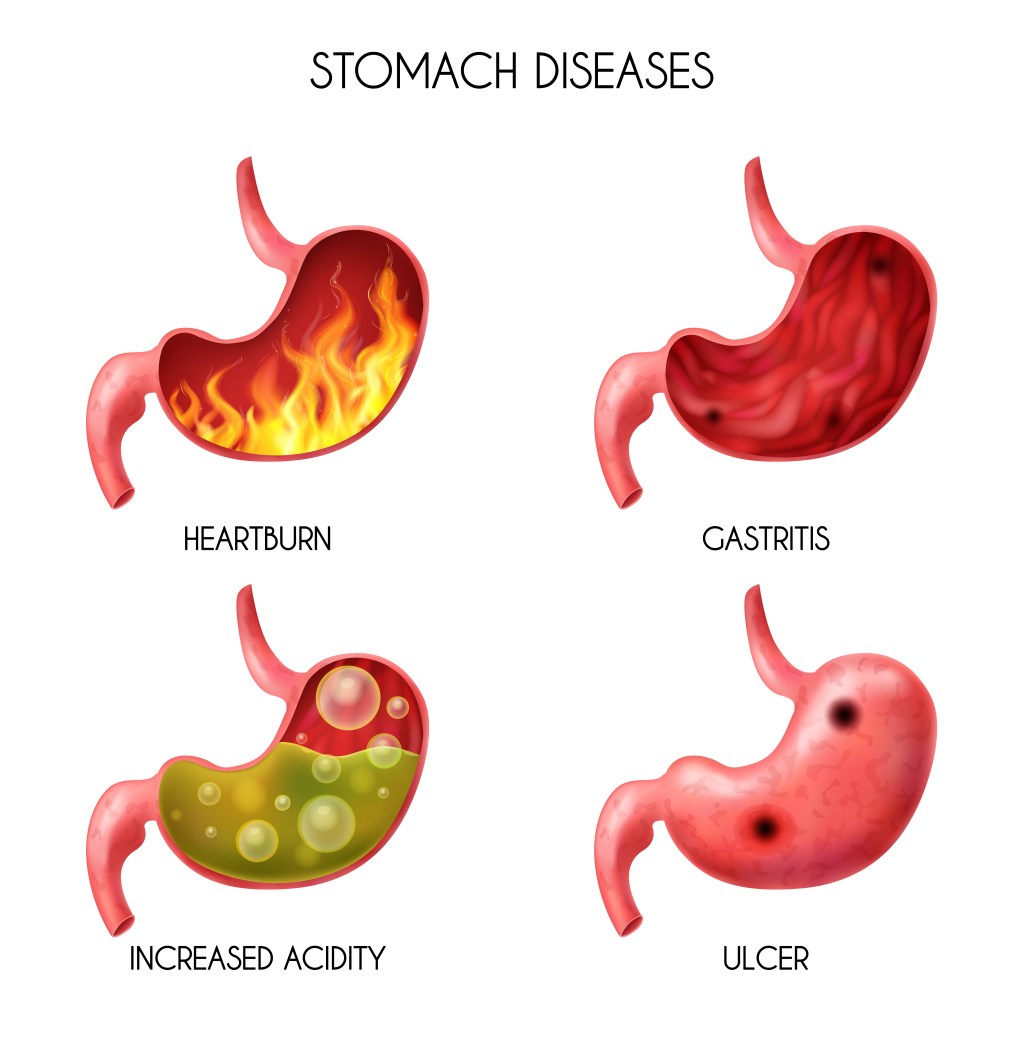
Acidity occurs when there is an excess production of stomach acid, which can lead to discomfort, heartburn, and indigestion. Common causes of acidity include:
- Diet: Consuming spicy, fatty, or acidic foods.
- Lifestyle: Lack of physical activity, stress, and irregular eating habits.
- Medical Conditions: Gastroesophageal reflux disease (GERD) and peptic ulcers.
What Causes Gas?
Gas in the digestive tract is a normal part of digestion. However, excessive gas can cause discomfort and bloating. Factors contributing to gas include:
- Swallowing Air: Eating too quickly or talking while eating.
- Food Choices: High-fiber foods, carbonated drinks, and certain vegetables like beans and broccoli.
- Digestive Disorders: Conditions like irritable bowel syndrome (IBS) and lactose intolerance.
How Yoga Helps with Digestion
Benefits of Yoga for Digestive Health
Yoga offers several benefits for managing digestive issues like acidity and gas:
- Stimulates Digestive Organs: Specific poses massage and stimulate digestive organs, promoting better digestion and reducing gas.
- Reduces Stress: Stress is a significant contributor to digestive issues, and yoga helps to reduce stress and promote relaxation.
- Improves Blood Circulation: Enhanced blood flow to the digestive organs helps improve their function.
How Yoga Poses Work
Yoga poses, or asanas, help alleviate digestive issues by:
- Increasing Blood Flow: Promoting circulation to the digestive tract to support its function.
- Enhancing Gut Motility: Stimulating the movement of food and waste through the intestines.
- Relieving Tension: Reducing muscle tension around the digestive organs, which can help alleviate discomfort and bloating.
Yoga Poses to Alleviate Acidity and Gas
In this section, we will explore a range of yoga poses that can help alleviate acidity and gas, from basic to advanced levels.
Beginner Poses
- Vajrasana (Thunderbolt Pose)Steps:
- Kneel on the floor with your big toes touching and sit back on your heels.
- Keep your spine straight and hands on your thighs.
- Breathe deeply and hold the pose for 5-10 minutes.
- Improves digestion by stimulating the digestive organs.
- Helps in reducing bloating and gas.
- Apanasana (Knees to Chest Pose)Steps:
- Lie on your back with your knees bent and feet flat on the floor.
- Bring your knees to your chest and hug them with your arms.
- Gently rock side to side to massage the lower back.
- Relieves gas and bloating.
- Promotes relaxation of the abdominal muscles.
- Pawanmuktasana (Wind-Relieving Pose)Steps:
- Lie on your back and bring one knee to your chest, clasping your hands around it.
- Hold for a few breaths, then switch to the other knee.
- For a deeper stretch, bring both knees to your chest and hold.
- Helps in releasing trapped gas from the intestines.
- Relieves acidity by improving digestion.
Intermediate Poses
- Ardha Matsyendrasana (Half Lord of the Fishes Pose)Steps:
- Sit with your legs extended.
- Bend your right knee and place your foot outside the left thigh.
- Twist your torso to the right and place your left elbow outside the right knee for support.
- Hold for 30 seconds and switch sides.
- Stimulates the digestive organs and improves digestion.
- Helps in reducing bloating and gas.
- Bhujangasana (Cobra Pose)Steps:
- Lie on your stomach with your hands under your shoulders.
- Press into your hands and lift your chest off the floor.
- Keep your elbows slightly bent and shoulders relaxed.
- Stretches the abdominal muscles and stimulates the digestive system.
- Alleviates symptoms of acidity and gas.
- Ustrasana (Camel Pose)Steps:
- Kneel on the floor with your knees hip-width apart.
- Place your hands on your lower back for support.
- Lean back and touch your heels, keeping your chest lifted.
- Stretches the abdomen and stimulates the digestive organs.
- Helps in relieving acidity and improving digestion.

Advanced Poses
- Halasana (Plow Pose)Steps:
- Lie on your back with your arms by your sides.
- Lift your legs over your head until your toes touch the floor behind you.
- Keep your back straight and hands on the floor for support.
- Stimulates the digestive system and helps relieve gas.
- Improves circulation to the abdominal organs.
- Sarvangasana (Shoulder Stand)Steps:
- Lie on your back with your arms by your sides.
- Lift your legs and hips up, supporting your lower back with your hands.
- Keep your body straight and hold for 30 seconds to a minute.
- Enhances blood flow to the digestive organs.
- Helps in reducing acidity and improving overall digestion.
- Sirsasana (Headstand)Steps:
- Kneel on the floor and interlace your fingers, placing your forearms on the ground.
- Place the crown of your head on the floor and lift your legs into the air.
- Hold the pose for as long as comfortable, maintaining balance and control.
- Improves digestion and helps relieve acidity.
- Stimulates blood circulation to the abdominal organs.
Tips for Practicing Yoga for Digestion
- Practice on an Empty Stomach: Perform yoga poses on an empty stomach or at least 2-3 hours after eating to avoid discomfort and enhance effectiveness.
- Stay Hydrated: Drink plenty of water throughout the day to aid digestion and prevent dehydration during yoga practice.
- Breathe Deeply: Focus on deep, diaphragmatic breathing to enhance relaxation and stimulate the digestive system.
- Listen to Your Body: Start with poses that feel comfortable and gradually progress to more advanced poses as your flexibility and strength improve.
- Consistency is Key: Regular practice is essential to see the benefits of yoga for digestion. Aim for at least 3-4 times a week.
Conclusion
Incorporating yoga poses to alleviate acidity and gas into your routine can significantly improve your digestive health and overall well-being. Whether you’re a beginner or an advanced practitioner, there are poses to suit your level and help you manage digestive issues effectively. By following the tips and practices outlined in this guide, you can enhance your digestive function and reduce the discomfort of acidity and gas.














 beautyfitinsights.com
Leave a comment