
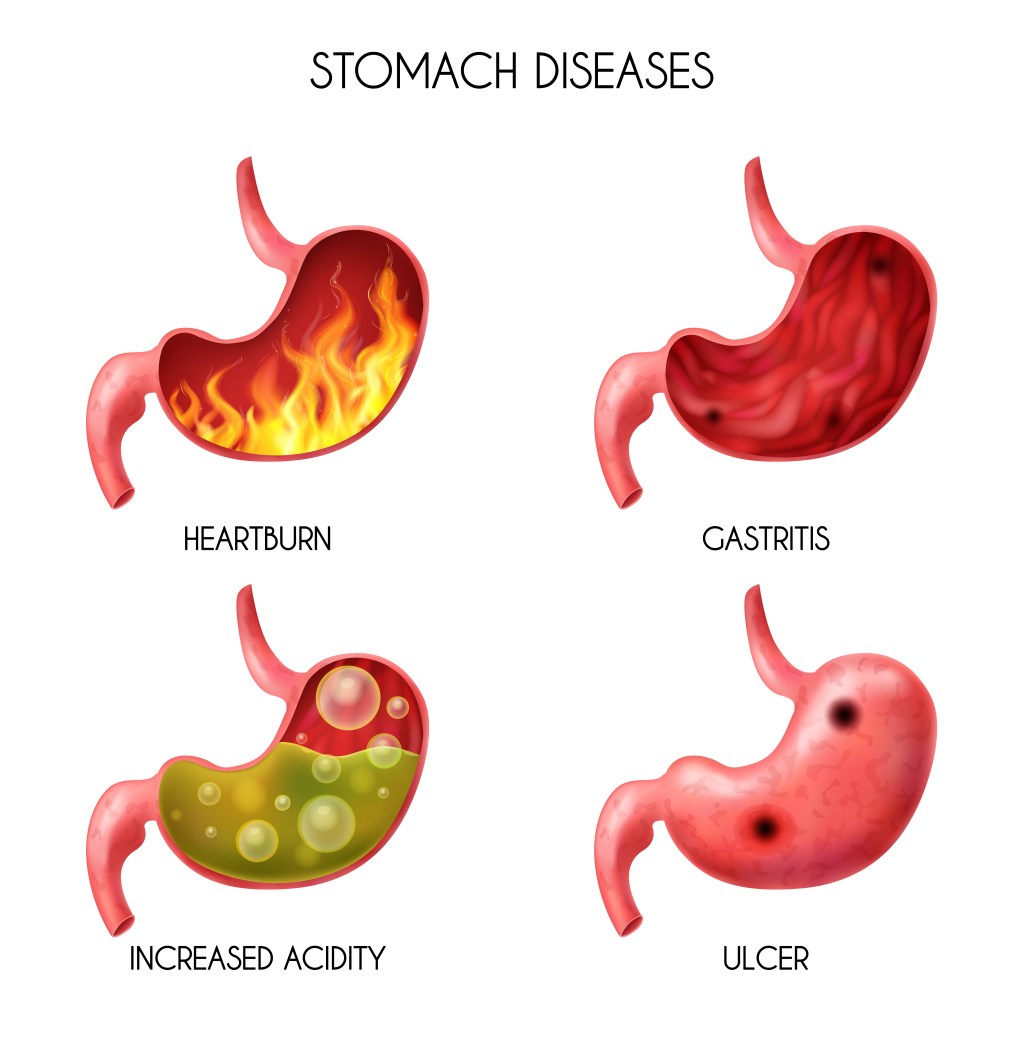
Exercise is a vital part of maintaining overall health and can significantly impact digestive health, including the management of acidity and gas. However, certain exercises and habits can exacerbate these issues. Here’s a comprehensive guide on how to exercise effectively to reduce acidity and gas.
The Benefits of Exercise for Digestion
- Improves Digestion: Regular physical activity stimulates the muscles of the digestive tract, promoting more efficient digestion and reducing the time food spends in the stomach and intestines.
- Reduces Stress: Exercise releases endorphins, which can help manage stress—a common trigger for digestive issues like acid reflux and gas.
- Enhances Circulation: Improved blood flow aids in the efficient function of the digestive system, helping to prevent issues such as bloating and gas.
Dos for Managing Acidity and Gas with Exercise
- Do Engage in Regular, Moderate Exercise
- Activities such as walking, swimming, or cycling can promote digestive health without putting undue strain on the stomach.
- Aim for at least 30 minutes of moderate exercise most days of the week.
2. Do Practice Yoga
- Yoga poses like twists and forward bends can help stimulate digestion and relieve gas.
- Specific poses like the Wind-Relieving Pose (Pawanmuktasana) and Child’s Pose (Balasana) can be particularly effective.
3. Do Stay Hydrated
- Drink plenty of water before, during, and after exercise to aid digestion and prevent dehydration, which can exacerbate acidity.
- Avoid sugary or carbonated drinks that can increase gas production.
4. Do Eat Light Before Exercise
- Consume a small, light meal or snack about 1-2 hours before exercising to prevent acidity and ensure you have enough energy.
- Choose easily digestible foods like bananas, yogurt, or whole-grain toast.
5. Do Cool Down Properly
- After exercising, engage in a cool-down routine to gradually bring your heart rate down and help your body transition to a state of rest.

Don’ts for Managing Acidity and Gas with Exercise
- Don’t Exercise on a Full Stomach
- Exercising immediately after a large meal can increase the risk of acid reflux and discomfort.
- Wait at least 2-3 hours after a large meal before engaging in strenuous exercise.
2. Don’t Perform High-Impact Exercises
- High-impact activities like running or jumping can jostle the stomach and increase the likelihood of acid reflux and gas.
- If you’re prone to these issues, opt for lower-impact activities like walking or swimming.
3. Don’t Ignore Body Signals
- Pay attention to your body’s signals. If you experience discomfort, bloating, or acid reflux during exercise, modify your routine or intensity.
- Rest if needed and avoid pushing through severe discomfort.
4. Don’t Consume Trigger Foods Before Exercise
- Avoid foods and beverages that are known to trigger acidity and gas, such as spicy foods, fatty foods, and carbonated drinks, before exercising.
- Opt for bland, low-acid snacks like oatmeal or a small piece of fruit.
5. Don’t Lie Down Immediately After Exercise
- Lying down right after exercising can increase the risk of acid reflux.
- Wait at least an hour after exercising before lying down to allow your digestive system to settle.
Conclusion
Exercise can play a significant role in managing acidity and gas, but it’s important to follow certain guidelines to avoid exacerbating these issues. By engaging in regular, moderate exercise, practicing yoga, staying hydrated, eating light before exercise, and cooling down properly, you can promote digestive health and reduce discomfort. Conversely, avoid exercising on a full stomach, performing high-impact activities, ignoring body signals, consuming trigger foods before exercise, and lying down immediately after exercising.
Balancing exercise with mindful eating and hydration can help you maintain a healthy digestive system and overall well-being. Listen to your body, and adjust your routines as needed to find what works best for you.














 beautyfitinsights.com
Leave a comment