

Stress is a common part of life, but when it becomes chronic, it can have far-reaching effects on your physical health. One often overlooked aspect of this is how stress impacts acidity and gas in the digestive system. Understanding this relationship can help you manage both your stress and digestive health more effectively.
Table of Contents
- Introduction
- Understanding Stress and Its Impact on the Body
- What is Stress?
- Types of Stress
- Physical Responses to Stress
- The Digestive System: A Quick Overview
- Key Components
- The Role of Stomach Acid
- Gas Production in the Digestive System
- How Stress Impacts Acidity and Gas
- Stress and Acid Production
- Stress and Gas Formation
- Symptoms and Warning Signs
- Identifying Stress-Induced Digestive Issues
- When to Seek Medical Help
- Effective Stress Management Techniques
- Lifestyle Changes
- Dietary Adjustments
- Relaxation Techniques
- Conclusion
Introduction
In today’s fast-paced world, stress is almost inevitable. Whether it’s due to work pressures, personal issues, or unforeseen challenges, stress can take a toll on both your mental and physical well-being. One of the less discussed but significant impacts of stress is on your digestive system, particularly how it affects acidity and gas production. This comprehensive guide will explore how stress influences your digestive health and provide practical tips for managing stress to improve your overall well-being.
Understanding Stress and Its Impact on the Body
What is Stress?
Stress is the body’s natural response to perceived threats or challenges. When you encounter a stressful situation, your body releases hormones like adrenaline and cortisol, which prepare you for a “fight or flight” response. This reaction is beneficial in short bursts, helping you react quickly and effectively to immediate dangers. However, chronic stress can lead to various health problems, including issues with digestion.
Types of Stress
- Acute Stress: Short-term stress that arises from specific events or situations, such as a job interview or a tight deadline.
- Chronic Stress: Long-term stress that persists over an extended period, often due to ongoing situations like financial difficulties or a high-pressure job.
- Episodic Acute Stress: Frequent episodes of acute stress, often seen in individuals who take on too many responsibilities or thrive on chaos.
Physical Responses to Stress
When you’re stressed, your body undergoes several changes:
- Increased Heart Rate: To pump more blood to muscles and vital organs.
- Heightened Alertness: To respond quickly to threats.
- Suppressed Digestion: To conserve energy for immediate physical responses.
These changes can have a significant impact on your digestive system, particularly in terms of acidity and gas production.
The Digestive System: A Quick Overview
To understand how stress affects your digestive system, it’s essential to have a basic understanding of how digestion works.
Key Components
- Mouth: The starting point of digestion, where food is broken down by chewing and saliva.
- Esophagus: The tube that carries food from the mouth to the stomach.
- Stomach: Where stomach acid breaks down food into a semi-liquid form called chyme.
- Small Intestine: Where most nutrient absorption occurs.
- Large Intestine: Absorbs water and forms solid waste.
The Role of Stomach Acid
Stomach acid, primarily hydrochloric acid, plays a crucial role in digestion by breaking down food and killing harmful bacteria. Proper acid levels are necessary for optimal digestion and nutrient absorption.
Gas Production in the Digestive System
Gas is a natural byproduct of digestion, produced by bacteria in the intestines as they break down food. Most gas is harmless and is either absorbed by the body or expelled through belching or flatulence.
How Stress Impacts Acidity and Gas
Stress and Acid Production
Chronic stress can significantly alter stomach acid production in two ways:
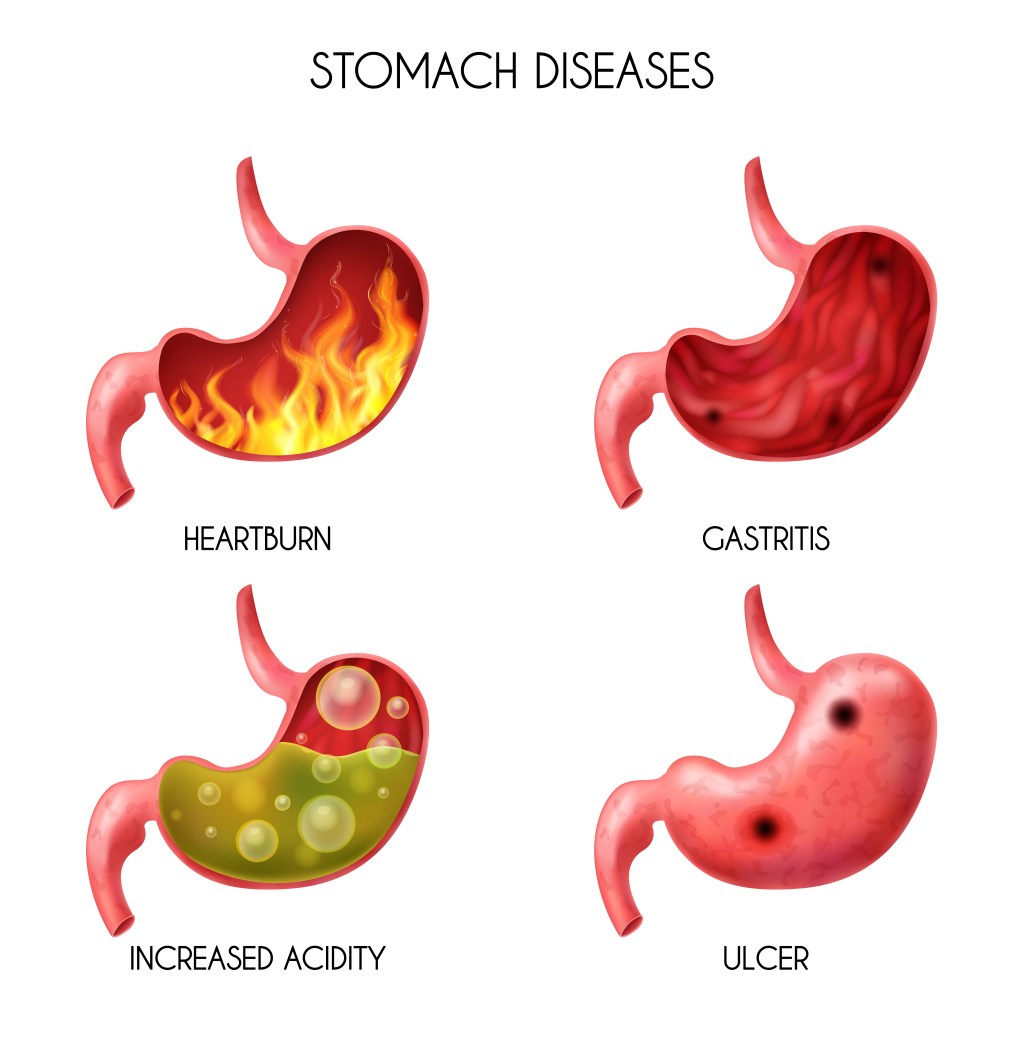
- Increased Acid Production: Stress triggers the release of hormones that can increase stomach acid production, leading to conditions like acid reflux or heartburn.
- Decreased Acid Production: In some cases, chronic stress can suppress acid production, impairing digestion and leading to symptoms like bloating and gas.
The imbalance in acid production can cause discomfort and digestive issues, highlighting the need to manage stress effectively.
Stress and Gas Formation
Stress can affect gas production in the following ways:
- Changes in Gut Motility: Stress can alter the speed at which food moves through the digestive system, leading to either slowed digestion and increased gas production or rapid transit that doesn’t allow for proper digestion.
- Altered Gut Bacteria: Chronic stress can disrupt the balance of gut bacteria, increasing the production of gas and leading to bloating and discomfort.
Symptoms and Warning Signs
Identifying Stress-Induced Digestive Issues
Common symptoms of stress-induced digestive problems include:
- Frequent Heartburn: A burning sensation in the chest due to acid reflux.
- Bloating: A feeling of fullness or swelling in the abdomen.
- Excessive Gas: Increased belching or flatulence.
- Abdominal Pain: Cramping or discomfort in the stomach area.
When to Seek Medical Help
If you experience severe or persistent symptoms, such as intense abdominal pain, vomiting, or unexplained weight loss, it’s crucial to seek medical attention. These could be signs of more serious conditions that require professional diagnosis and treatment.
Effective Stress Management Techniques
Managing stress is essential for maintaining healthy digestion and overall well-being. Here are some effective strategies:
Lifestyle Changes
- Regular Exercise: Physical activity helps reduce stress and improve digestive function.
- Adequate Sleep: Ensure you get enough restful sleep to allow your body to recover from daily stress.
- Mindfulness and Meditation: Practicing mindfulness and meditation can help you manage stress more effectively.
Dietary Adjustments
- Balanced Diet: Eating a balanced diet rich in fiber, vitamins, and minerals can support digestive health and reduce symptoms of acidity and gas.
- Avoid Trigger Foods: Identify and avoid foods that exacerbate digestive issues, such as spicy foods, caffeine, and alcohol.
- Stay Hydrated: Drinking plenty of water helps maintain healthy digestion and reduce the risk of constipation.
Relaxation Techniques
- Deep Breathing: Deep breathing exercises can help calm your mind and reduce stress.
- Progressive Muscle Relaxation: This technique involves tensing and then relaxing different muscle groups to reduce overall stress.
- Yoga: Yoga combines physical postures with breathing techniques to promote relaxation and improve digestive health.

Conclusion
Understanding how stress impacts acidity and gas can help you take proactive steps to manage both your stress levels and digestive health. By adopting effective stress management techniques and making mindful lifestyle choices, you can improve your overall well-being and reduce the impact of stress on your digestive system. Remember, the key to a healthy digestive system lies in managing stress effectively and maintaining a balanced, healthy lifestyle.














 beautyfitinsights.com
Leave a comment