

In a world filled with fad diets and quick-fix solutions, it’s easy to get caught up in the idea that dieting is the key to weight loss. However, focusing solely on dieting often overlooks the importance of exercise and can lead to unsustainable results. In this blog post, we’ll explore why exercise is superior to strict dieting for weight management and why a balanced approach is essential for long-term success.
Exercise: The Key to Sustainable Weight Loss
Exercise offers numerous benefits beyond burning calories. It helps build lean muscle mass, boosts metabolism, improves mood, and enhances overall health. Unlike crash diets, which often lead to muscle loss and metabolic slowdown, regular exercise promotes fat loss while preserving muscle mass.
The Downside of Dieting
Many people turn to dieting as a quick fix for weight loss, but the reality is that restrictive diets often backfire. Here’s why:
1. Temporary Results, Permanent Consequences
- Yo-yo Effect: Diets that drastically cut calories or eliminate entire food groups may lead to rapid weight loss initially, but this weight loss is often temporary. Once you resume normal eating, the weight tends to come back, sometimes even more than before.
2. Metabolic Slowdown
- Metabolic Adaptation: Severely restricting calories can slow down your metabolism, making it harder to lose weight in the long run. Your body may enter starvation mode, holding onto fat stores for survival.
3. Nutrient Deficiencies
- Lack of Essential Nutrients: Many fad diets lack essential nutrients, leading to deficiencies and health problems over time. Plus, they can leave you feeling tired, irritable, and lacking in energy.
Exercise for Weight Loss: The Better Alternative
Instead of focusing solely on dieting, prioritize regular exercise for sustainable weight loss. Here’s why exercise is superior:
1. Builds Lean Muscle Mass
- Increased Metabolism: Exercise, especially strength training, helps build lean muscle mass, which boosts your metabolism and helps you burn more calories even at rest.
2. Improves Overall Health
- Heart Health: Regular physical activity reduces the risk of heart disease, lowers blood pressure, and improves cholesterol levels.
- Mental Well-being: Exercise releases endorphins, which reduce stress, anxiety, and depression, promoting overall well-being.
3. Sustainable Lifestyle Change
- Long-Term Results: Unlike restrictive diets, exercise promotes long-term weight loss and weight maintenance. It becomes a sustainable lifestyle habit rather than a short-term solution.
The Role of Intermittent Fasting
Intermittent fasting, such as one-day fasting, can be a useful tool for weight loss and overall health. However, it’s essential to approach it with caution:
- Moderation is Key: Intermittent fasting can be beneficial when practiced occasionally, but prolonged fasting or extreme calorie restriction can have negative consequences on metabolism and overall health.
Conclusion

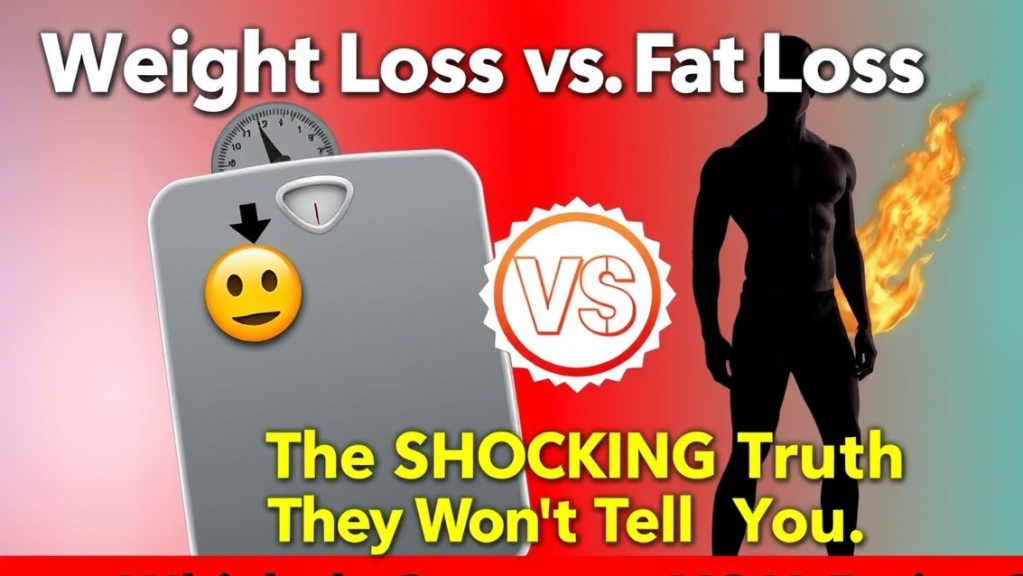
While dieting may offer short-term results, exercise and balanced nutrition are the cornerstones of sustainable weight management. Incorporating regular physical activity, maintaining a balanced diet, and practicing moderation are key to achieving and maintaining a healthy weight. Remember, it’s not just about losing weight; it’s about adopting a healthy lifestyle that you can maintain for life.
Are you ready to ditch the diet mentality and embrace a balanced approach to weight management? Share your thoughts and experiences in the comments below! Let’s inspire each other to prioritize health and well-being over quick fixes.














 beautyfitinsights.com
Leave a comment