
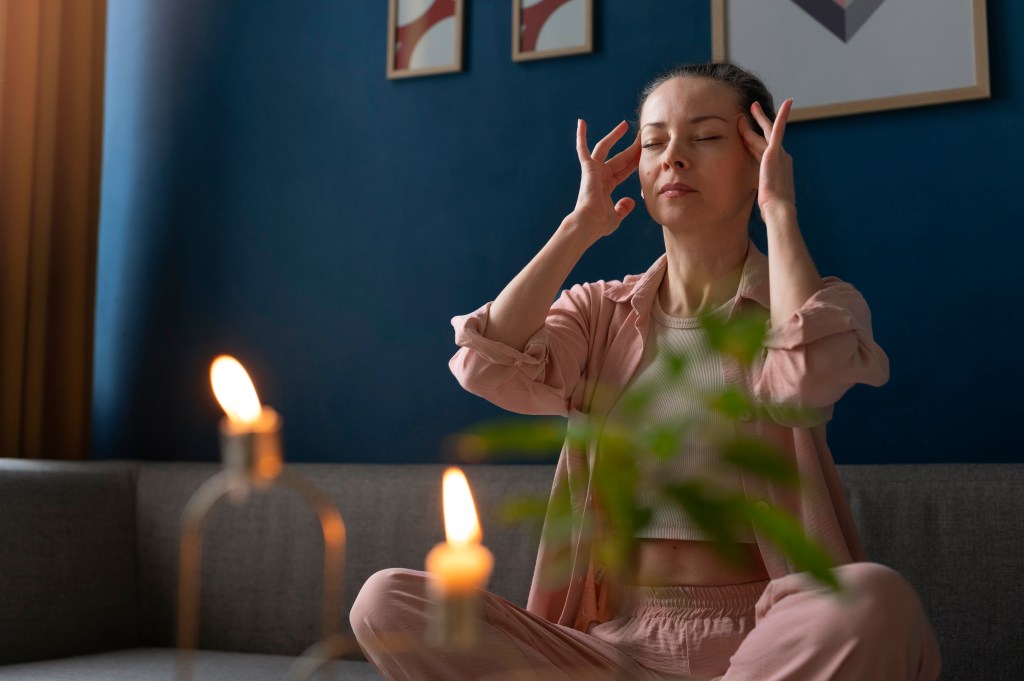
Feeling overwhelmed by the daily grind? Do the pressures of work, relationships, and life in general leave you feeling wired and strung out? You’re not alone. Stress is a universal experience, but it doesn’t have to control your life.
As a health and fitness expert, I’m here to share some science-backed techniques that can help you effectively manage stress and cultivate inner peace.
1. Deep Breathing: Your Built-in Relaxation Response Trigger
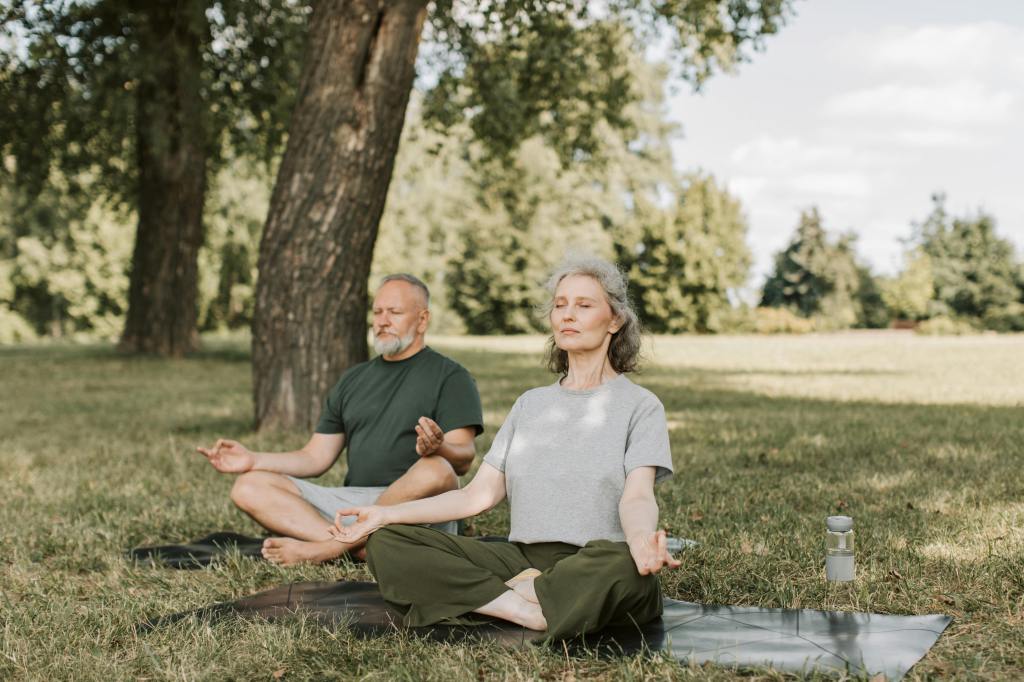
When stress hits, your body goes into fight-or-flight mode, increasing your heart rate, respiration, and blood pressure. Deep breathing activates your parasympathetic nervous system, the body’s relaxation response.
Here’s how:
- Find a quiet, comfortable place.
- Inhale slowly through your nose for a count of 4.
- Hold your breath for a count of 2.
- Exhale slowly through your mouth for a count of 6.
- Repeat this cycle for 5-10 minutes.
Science behind it:
Studies published in the journal “Psychophysiology” have shown that deep breathing practices can significantly reduce stress hormones like cortisol and promote feelings of calmness.
2. Mindfulness Meditation: Train Your Brain to Be Present
Mindfulness meditation involves focusing your attention on the present moment without judgment. This practice helps break the cycle of negative thoughts and worries that often contribute to stress.

Here’s how:
- Find a quiet place and sit comfortably.
- Close your eyes or focus on a single point.
- Pay attention to your breath, noticing the sensations of inhaling and exhaling.
- When your mind wanders, gently bring your attention back to your breath without judgment.
- Start with 5 minutes and gradually increase the duration as you become comfortable.
Science behind it:
Research published in the journal “JAMA Internal Medicine” found that mindfulness meditation programs can effectively reduce stress, anxiety, and depression symptoms.
3. Exercise: Your Body’s Natural Stress Reliever

Physical activity is a powerful tool for managing stress. Exercise releases endorphins, hormones that have mood-boosting and pain-relieving effects.
Here’s how:
- Choose activities you enjoy, like brisk walking, running, swimming, dancing, or team sports.
- Aim for at least 30 minutes of moderate-intensity exercise most days of the week.
- Even short bursts of activity, like a 10-minute walk, can provide stress-relieving benefits.
Science behind it:
A study published in the journal “Medicine & Science in Sports & Exercise” showed that regular exercise can significantly reduce stress hormone levels and improve mood.
4. Prioritize Sleep for Optimal Stress Management

When you’re sleep-deprived, your body’s stress response system becomes more sensitive, making you more vulnerable to stress.
Here’s how:
- Aim for 7-8 hours of quality sleep each night.
- Establish a regular sleep schedule and stick to it as much as possible, even on weekends.
- Create a relaxing bedtime routine that helps you wind down before sleep.
Science behind it:
Research published in the journal “Sleep” suggests that insufficient sleep can increase stress hormone levels and disrupt emotional regulation.
Remember, stress management is a journey, not a destination. Be patient with yourself, experiment with different techniques, and find what works best for you. By incorporating these science-backed practices into your life, you can cultivate a calmer mind, a healthier body, and a more resilient spirit.















 beautyfitinsights.com
Leave a comment